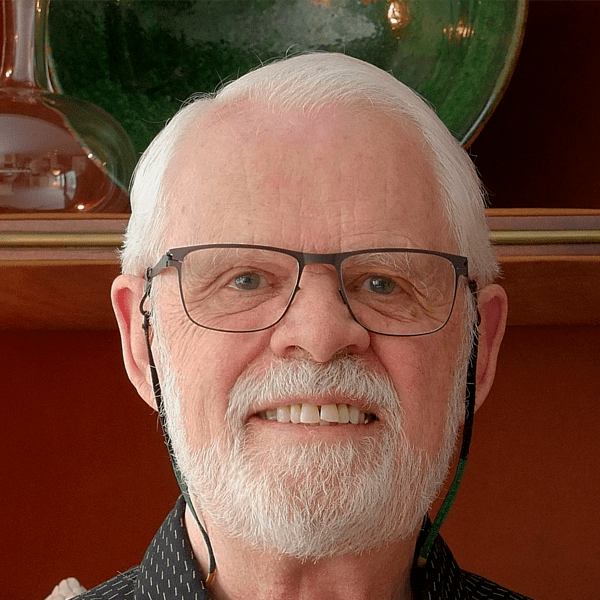
Dwight Lanmon discusses the importance of Bohemia in the studio glass movement.
0:45Dwight Lanmon discusses the importance of Bohemia in the studio glass movement. Oral history interview with Dwight Lanmon by Catherine Whalen and Barb Elam, conducted via telephone, August 5, 2019, Bard Graduate Center. Clip length: 00:45.
Dwight Lanmon: Venice throughout its history was sort of closed to non-Venetians, non-Muranese. Whereas Bohemia, somehow, I don’t know why it happened, but the glass industry became the great darling of the Czech Republic after the war, and they realized that that was an important part of their history, and that—so the state poured a lot of money back into the industry after the war when it was destroyed basically, and not only in the factories, but also in developing the school programs. So [Stanislav] Libensky was very important in their regard, who was one of the professors who really taught a whole generation of artists.