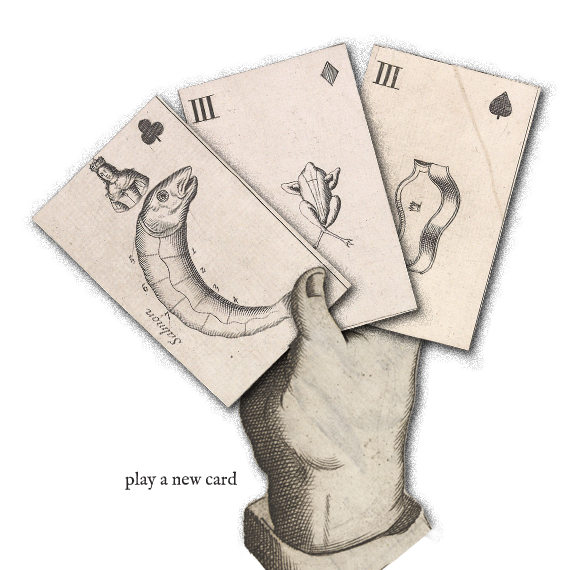
Pidgeon Pie
Passenger Pigeons
“I was suddenly struck with astonishment at a loud rushing roar, succeeded by instant darkness, which, on the first moment, I took for a tornado, about to overwhelm the house and everything around in destruction."
- Account of passenger pigeon flock by Alexander Wilson, American ornithologist1
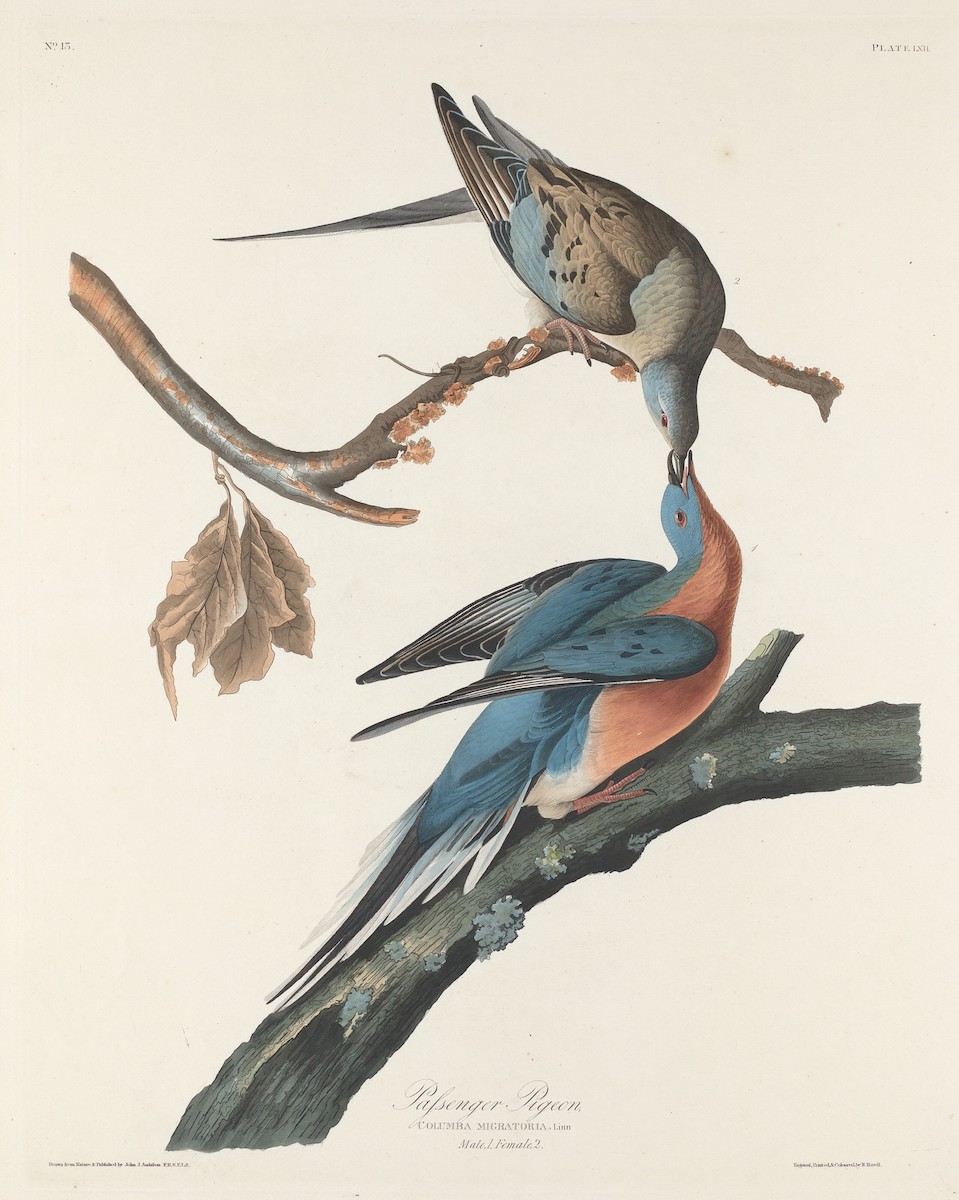
Robert Havell, after John James Audubon, “Passenger Pigeon,” from The Birds of America (1829), plate LXII. Hand-colored engraving and aquatint on Whatman wove paper. National Gallery of Art, Washington, DC, Gift of Mrs. Walter B. James, 1945.8.62.

Passenger pigeon flock being hunted in Louisiana, The Illustrated Shooting and Dramatic News, July 3,1875, p. 332. By Smith Bennett[1] - Illustrated Sporting and Dramatic News, Public Domain,https://commons.wikimedia.org/w/index.php?curid=45560761.
Passenger pigeons were once the most common bird in North America. At the beginning of the nineteenth century, they made up perhaps as many as 40 percent of the bird population.2 They traveled in great flocks that reportedly blackened the sky for hours as they passed overhead. However, by 1914 only one passenger pigeon remained, living in captivity in the Cincinnati Zoo. How could a species so numerous nearly disappear over the course of a century?
Flying north to breed in the warmer months and traveling south as the cold months approached, sightings of migrating flocks were recorded from the sixteenth century through the end of the nineteenth century. It was not just the weather that motivated their flight: they were constantly searching for food. Their ravenous instincts made them particularly damaging to agricultural crops; if a group of pigeons spotted seed or corn, acres of harvest could be swallowed within minutes.
The seemingly inexhaustible multitudes of passenger pigeons, considered nuisance birds, encouraged overhunting. People trapped and killed them using guns, netting, clubs, even poisonous gas. A shotgun could fell dozens of birds in a single shot.3 Pigeons were used as food, often providing necessary sustenance in the early years of the seventeenth century. Their feathers were also widely used as stuffing for bedding. However, need could not account for the millions of pigeons killed, and many were simply discarded. At the same time the vast forests necessary to support the colonies of passenger pigeons were being cut down to make room for industry. With the destruction of their habitat, passenger pigeons could not continue to thrive. Sadly, Martha, the last passenger pigeon, died in captivity in 1914.
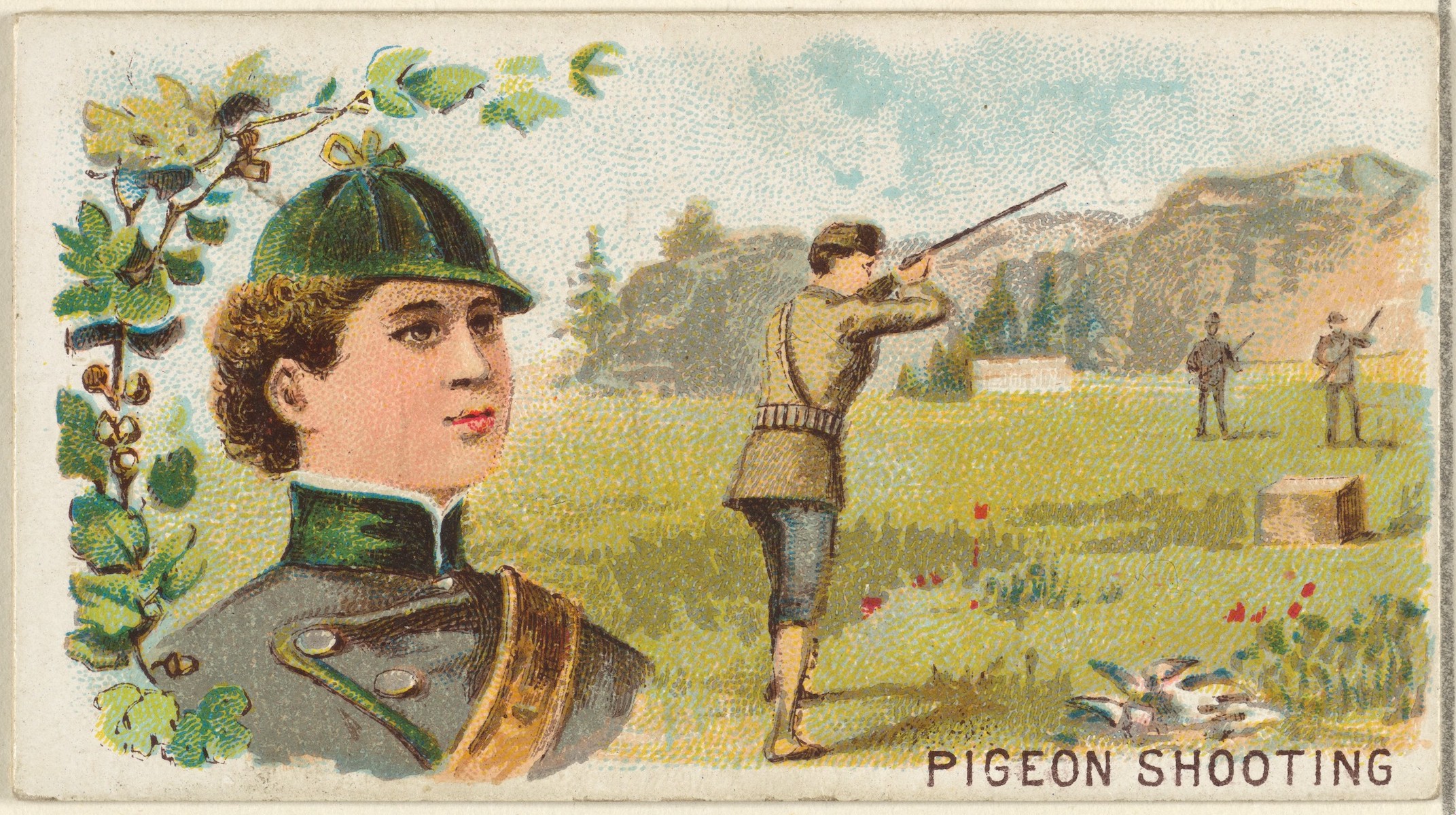
“Pigeon Shooting,” from the Games and Sports series (N165) for Old Judge Cigarettes, issued by Goodwin & Company, 1889. Commercial color lithograph. The Metropolitan Museum of Art, New York, The Jefferson R. Burdick Collection, Gift of Jefferson R. Burdick, 63.350.214.165.38.
1Greenburg, A Feathered River Across the Sky 82.
2Greenburg, Feathered River
3Fuller, The Passenger Pigeon, 75.